Spotlight
Small Communities, Big Impact: Practical Waste Diversion Models That Work
2026 CET resource highlighting practical waste diversion strategies for small businesses and communities. The case study features examples from Cold Spring, New York; Bethlehem, New Hampshire; and Clinton County, New York, including food donation, composting, and other wasted food reduction approaches.
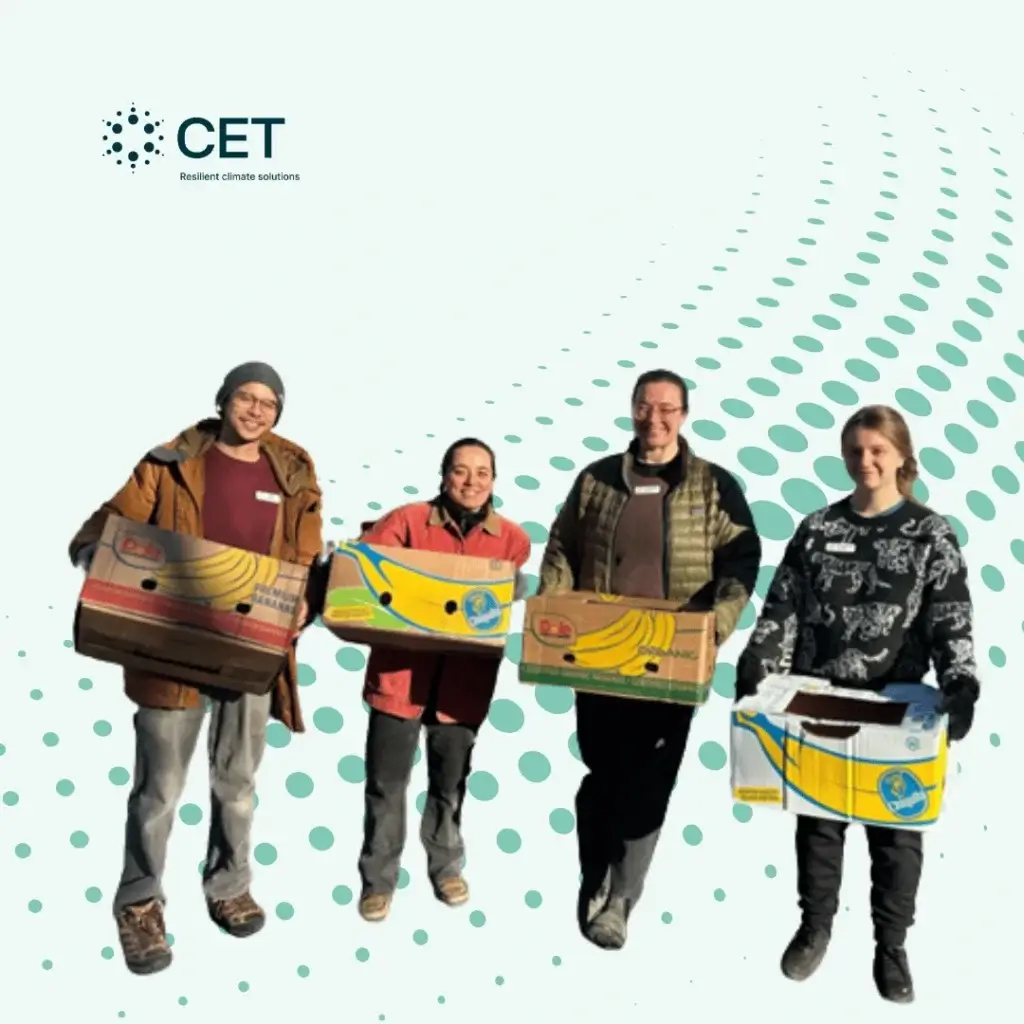
Download the Spotlight

Food Waste
→
Wasted Food
Why do we say “Wasted Food” instead of “Food Waste”?
Much of what’s thrown away isn’t truly waste. Often, it’s edible food that could be donated, or materials that can be redirected to better uses like animal feed, composting, or anaerobic digestion.
Get Free Assistance to Reduce Wasted Food
Looking to cut down on wasted food and improve your sustainability efforts? CET offers free assistance to help businesses, schools, and institutions implement effective waste reduction programs.